
Molded-fiber manufacturing & in-house engineering.
The processes and facilities shown here are our existing operations, which provide the engineering foundation for our planned U.S. project — currently in the site-evaluation stage.
Our process, on film.
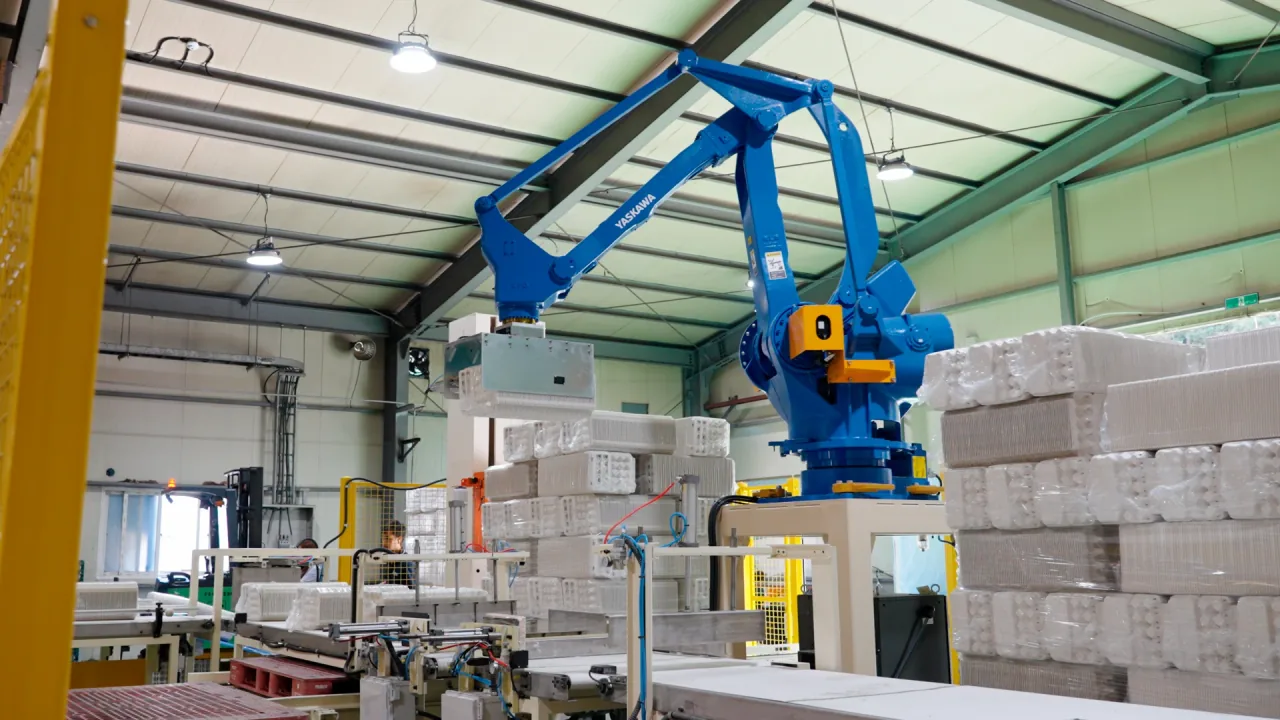
Our manufacturing film shows the people, equipment, and production processes at our existing Korean operations. It is not footage of a U.S. facility.
Forming stations, hydraulic presses, automated transfers, and drying tunnels are developed in-house, alongside the molds that shape the finished product.
The right process for the package.
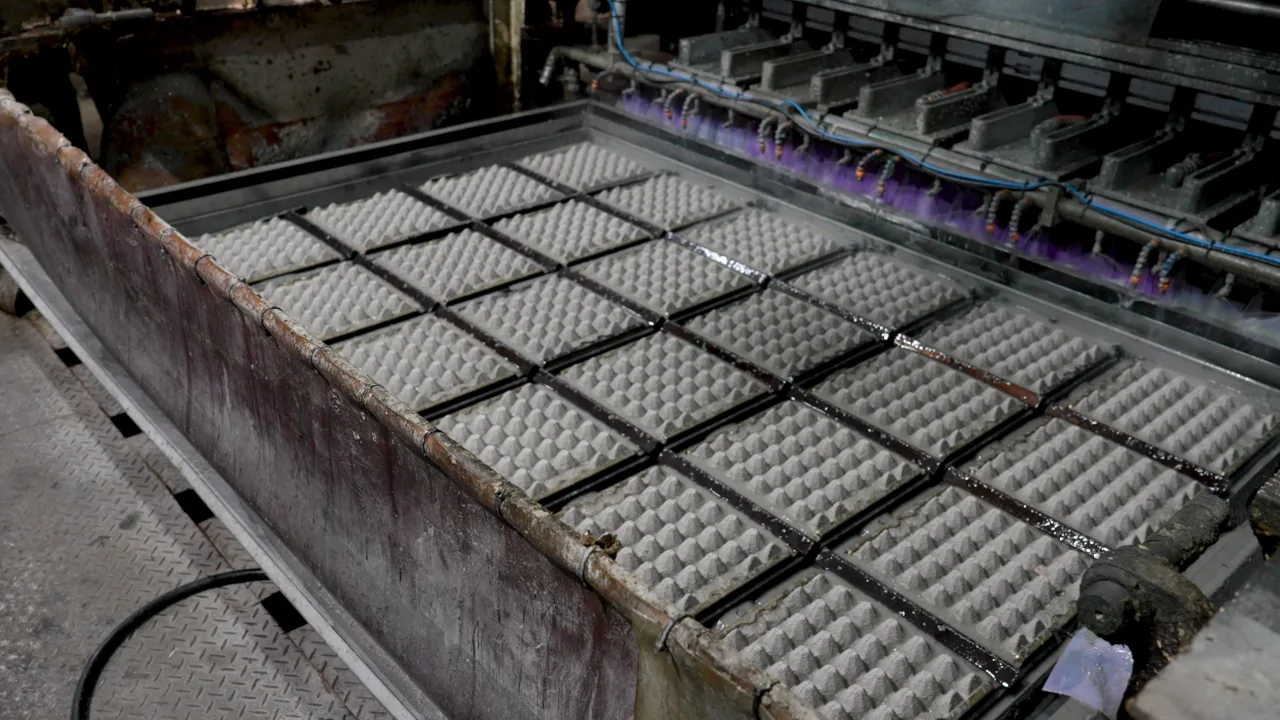
Wet-type molded pulp
Pulp is formed onto suction molds and dried in continuous hot-air tunnels. The process creates protective ribbed structures for egg trays and industrial cushioning.
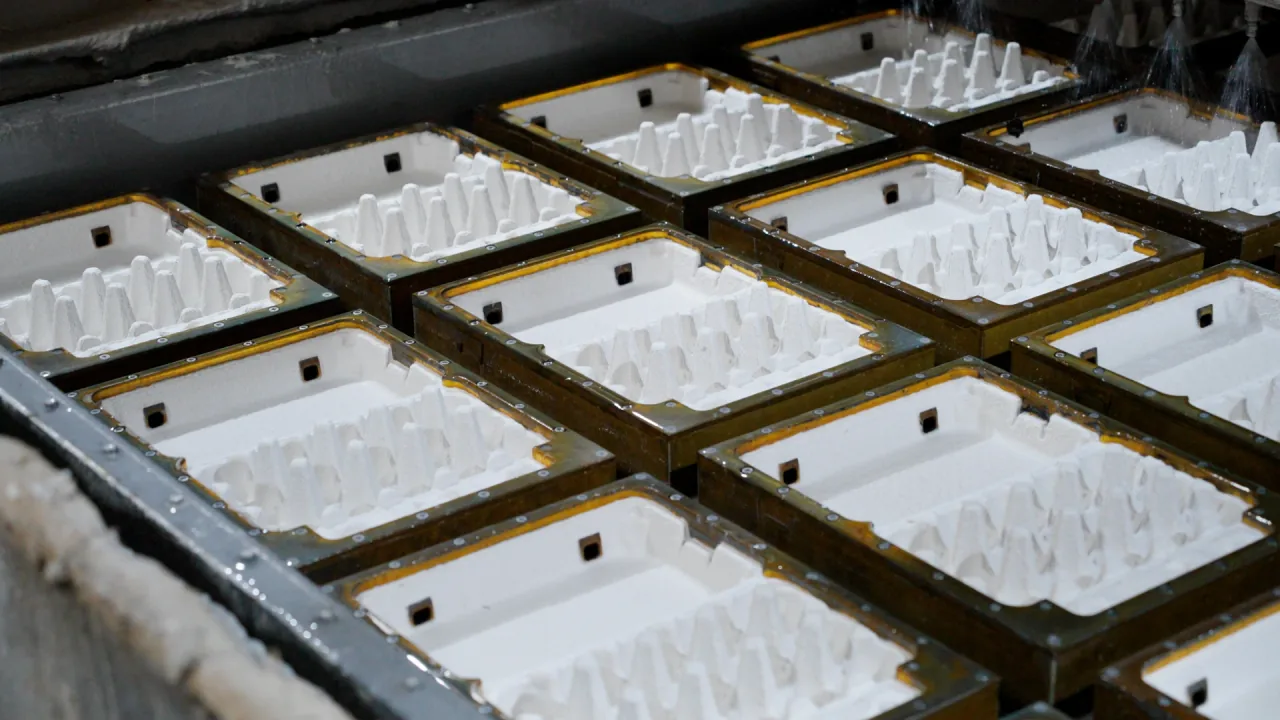
Dry-type thermoforming
Heated precision dies form and finish retail cartons under pressure, producing a smooth surface and consistent geometry for retail presentation and packing.
Designed to perform.
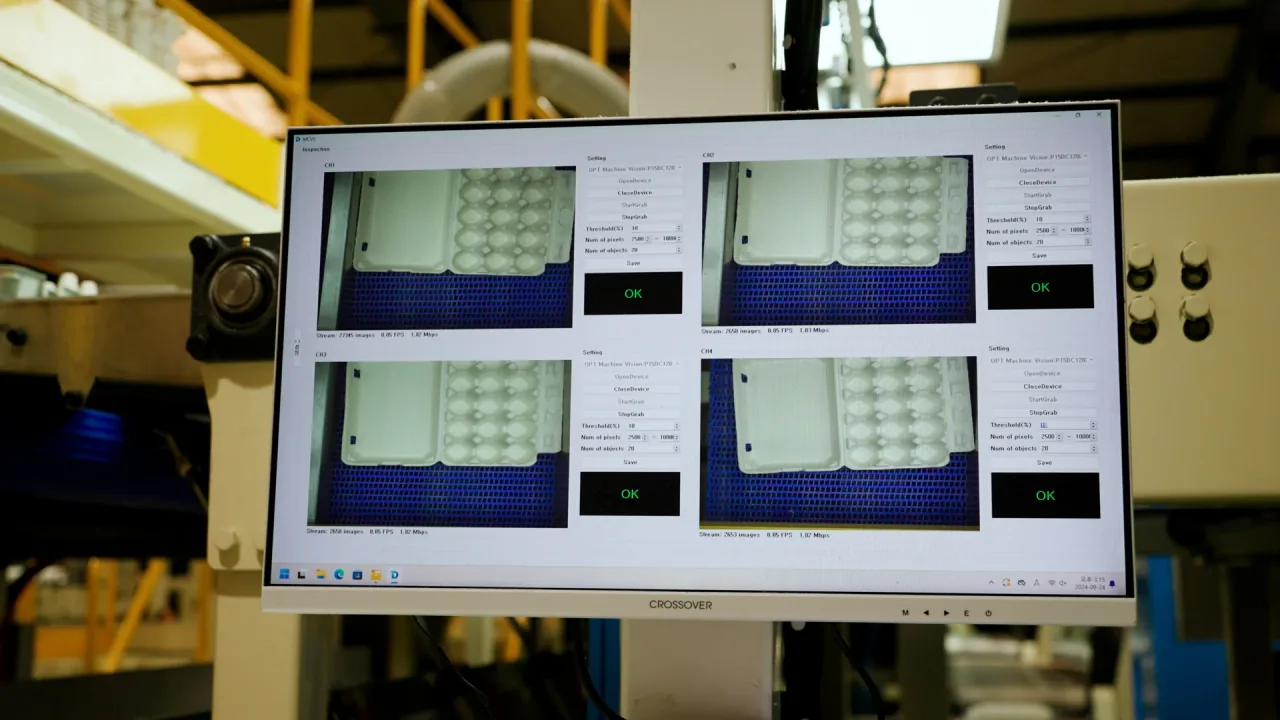
Checked in production.
Automated visual inspection supports consistency across production runs. For each program, our team reviews product samples, quality requirements, and packing-line needs before confirming fit; modern product-testing technologies support that evaluation.
- 01Product-specific mold geometry
- 02Automated visual inspection
- 03Technology-led product testing
Three sites. One integrated operation.
| SITE | ROLE | SITE AREA |
|---|---|---|
| Cheonan | Main industrial plant · Egg trays & thermoformed cartons | 54,800 m² |
| Gimje | Production hub · Egg trays & specialty packaging | 18,480 m² |
| Ansan | Head office & R&D · Mold, machine & CNC tooling engineering | Shared complex |
Packaging, tooling, and supply.
Explore our molded-pulp packaging capabilities, current production, and developing U.S. footprint.
Molded-pulp packaging manufacturer